
SBU’s Ellen Pikitch joins team that proposes new metric for ocean biodiversity
Updated: Jul 27
From TBR Newsmedia by Daniel Dunaief - May 15, 2026
They’re not exactly the Montagues and Capulets from Shakespeare’s Romeo and Juliet, but they could work more efficiently and effectively together towards similar goals.
The worlds of marine conservation and fisheries management have taken different approaches to the work they do, with fisheries managers typically focused on preserving the numbers and sustainability of fish species harvested for food. People focused on biodiversity, on the other hand, tend to monitor and encourage the creation and enforcement of marine protected areas.
Ideally, the two approaches to similar challenges would work together, ensuring more abundant and sustainable crops of fish while ensuring sufficient protections for biodiversity.
“We are seeing that fisheries management and ocean protection measures are progressing in many regions around the world, but they are often seen as parallel, or even competing efforts,” explained Boris Worm, Professor in Marine Conservation Biology at Dalhousie University in Nova Scotia, Canada and lead author on a paper published in the journal Marine Policy.

“We are hoping that this paper can help convince people that such efforts should be pursued together, such that they can achieve the best possible outcomes for marine wildlife and people,” he said.
Global efforts under the 2022 Kunming-Montreal Global Biodiversity Framework signed in 2022 have set targets of 30% in protected area coverage by 2030 and 100 percent in sustainable fisheries management by that same year.
At this point, fisheries managers have made greater progress, with 62 percent of industrial fisheries reporting sustainable limits across 19 major fishing areas. Protected coverage is about 10 percent across the same areas, with a lower 3 percent highly or fully protected.
“The vast majority of the protection we do have is really not all that strong,” said Ellen Pikitch, Stony Brook University’s Endowed Professor of Ocean Conservation Science, who is one of the authors on the paper and has done considerable work in the field of Marine Protected Areas. Getting to the goal of 30 percent of the oceans in a Marine Protected Area is “going to be tough. It’s important,” she said. Led by Worm, the group found little evidence for integration of targets connected to these two objectives.

Spillover benefit
Previous research from Pikitch and others has demonstrated that a protected area not only benefits biodiversity in that particular spot, but also helps enrich wildlife in the surrounding region.
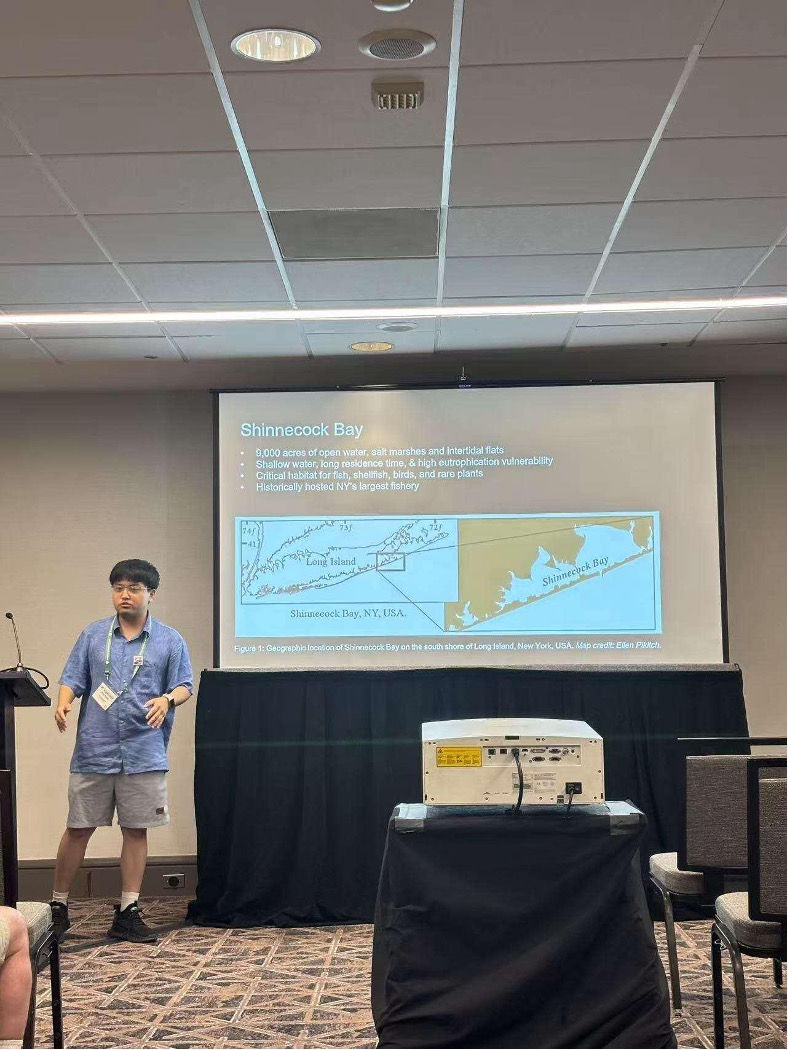
At Shinnecock Bay, for example, conservationists established a fully protected hard clam sanctuary. Designed to restore filtration and eliminate harmful algal blooms, the clams helped restore the biodiversity of the bay, accomplishing the local goal.
In addition, clam larvae drifted out of the protected area into nearby places where clam fishing was allowed.
Clamming in those areas near the protected region is going “gangbusters,” said Pikitch. “It’s better than it’s been in decades.” While not a part of the sea, the Shinnecock Bay effort is analogous to marine protected areas in the oceans. By bringing fisheries management together with overall biodiversity conservation, the goal is to have people in charge talk to one another and work together. “Organizations aren’t working together,” said Pikitch. “If they did, the whole world would benefit.” Worm suggested the two efforts are akin to growing a savings account while reigning in spending. “The two go hand in hand and it makes sense when we talk about savings and spending in the same currency,” Worm explained.
Historically, fisheries managers haven’t always recognized the benefit of marine protected areas. In the short term, some of the people involved in these fisheries efforts have seen these initiatives as a way conservation cuts back on their access to the creatures they harvest.
While this still happens among fisheries to some degree, there is “less of it now,” Pikitch said, as fisheries managers have seen the benefit of these spillover effects and amid a recognition of the broader benefits of biodiversity.
“There’s no question that people need a healthy ocean,” Pikitch said.
Indeed, numerous products, including medicines, come from discoveries in the ocean. The AZT treatment for HIV, for example, came from a model of a sponge in the Caribbean that has defenses that prevent viral replication.
An idea and then a paper
The group that developed the framework for this paper met in 2023 in Norway as a part of a project to discuss global efforts in marine conservation. Worm had the idea to compare the efforts of protected areas and fisheries management using the same metric. “People really liked the idea and went from there,” he explained. The group poured over dozens of documents to understand the gaps in knowledge and how to fill them. The idea for a common metric would look at the ocean as a whole and make sure it’s recovering amid implementation of diverse measures to help species and habitats bounce back, Worm explained.
Article link here: https://tbrnewsmedia.com/sbus-ellen-pikitch-joins-team-that-proposes-new-metric-for-ocean-biodiversity/


I keep thinking about how a single metric could reflect the real complexity of ocean life. For regions we’ve barely surveyed, would this approach lean on modeling, or does it need much more field data first?
<a href="https://seedance2-5.org/
">seedance2-5</a>